
Our fighters
From the first cage to MMA Polska. How Mirosław Okniński started building Polish MMA
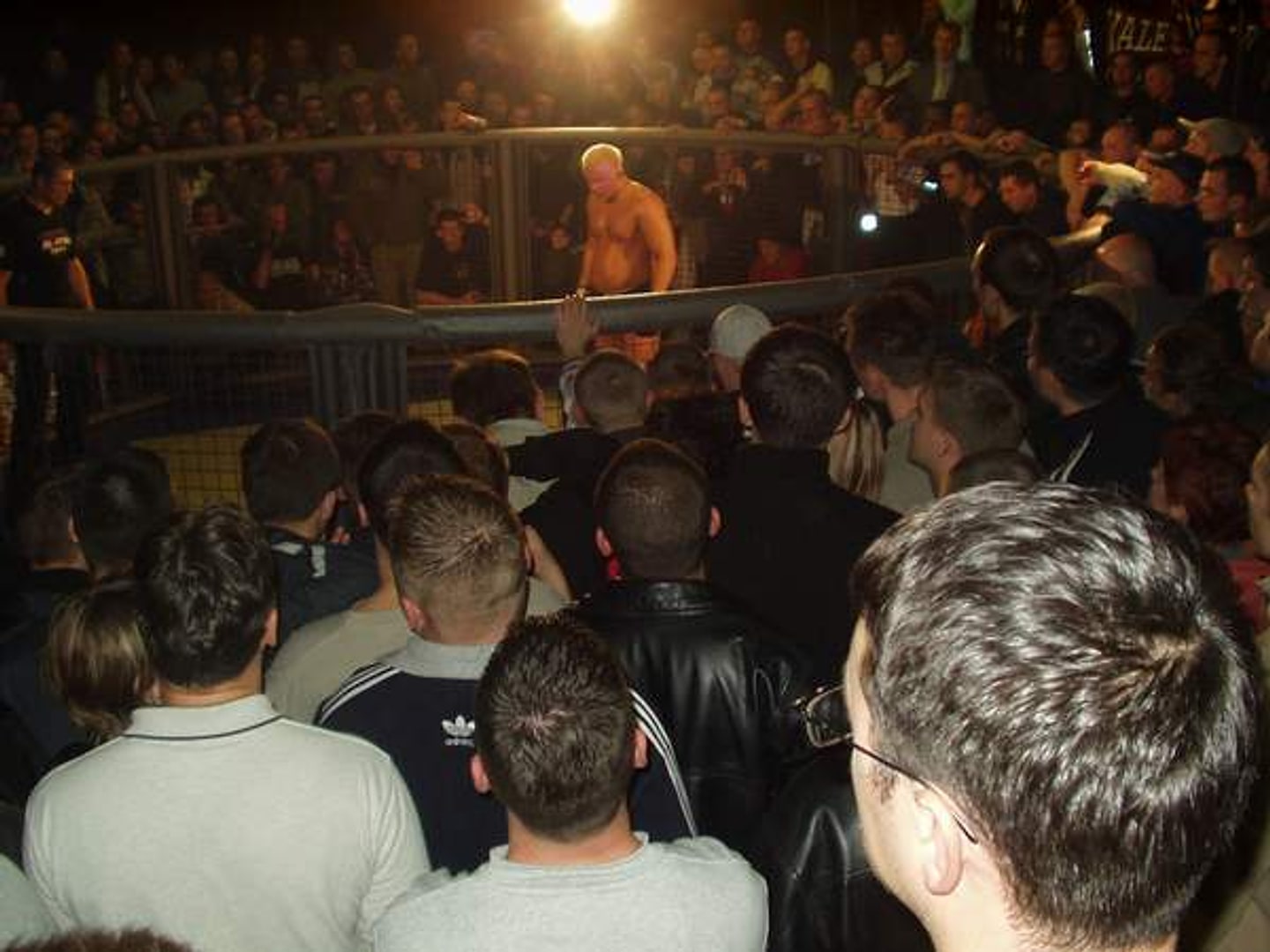
- A cage from a blacksmith
- 45 minutes, no winner
- The start of MMA Polska
The cage was built by a blacksmith outside Warsaw. Fighters had to be found in judo, wrestling and boxing. The first bout lasted 45 minutes and ended with no winner. The story of the beginnings of Polish MMA, told by the man who organised them.
Today nobody in Poland is surprised by MMA.
There are big events, UFC fighters, full arenas, television broadcasts and hundreds of clubs. Children, beginners and professionals train on the same mats, and the cage is a normal part of the sport.
At the beginning there was none of that.
There was curiosity. There was Brazilian jiu-jitsu. There was wrestling, judo, boxing and kickboxing. And there were people who wanted to find out what actually works in a fight.
One of them was Mirosław Okniński.
Effectiveness came first
Okniński knew Karol Matuszczak from the Brazilian jiu-jitsu scene. They met at seminars and camps. Matuszczak was pushing sport BJJ hard in Poland.
Mirosław looked at it a little differently. What interested him above all was a fight in which different styles could be combined. Vale Tudo. What we later simply started calling MMA.
Karol Matuszczak pointed to the experience of the Brazilians. Sport jiu-jitsu had a good reputation. Cage fights had a far worse one.
Mirosław had no intention of giving up the cage. As he puts it:
“I was always interested in what actually works. I knew I wanted to develop MMA and Vale Tudo. It did not matter how it was seen back then.”
That is where the story starts.
Jakubowski against Teresiewicz
Okniński already knew Grzegorz “Jakubek” Jakubowski from combat sports. An opponent was needed. A notice went out. Temistokles Teresiewicz came forward, connected, as Mirosław recalls, with police counter-terrorism units.
The matchup had an extra flavour. Jakubowski came from Gdynia. Around him were people connected with the Arka supporters’ scene, some of whom also trained. On the other side stood a police officer.
This was not a storyline invented to promote an event. There was no such marketing yet. They were simply going to walk into the cage and find out who was better.
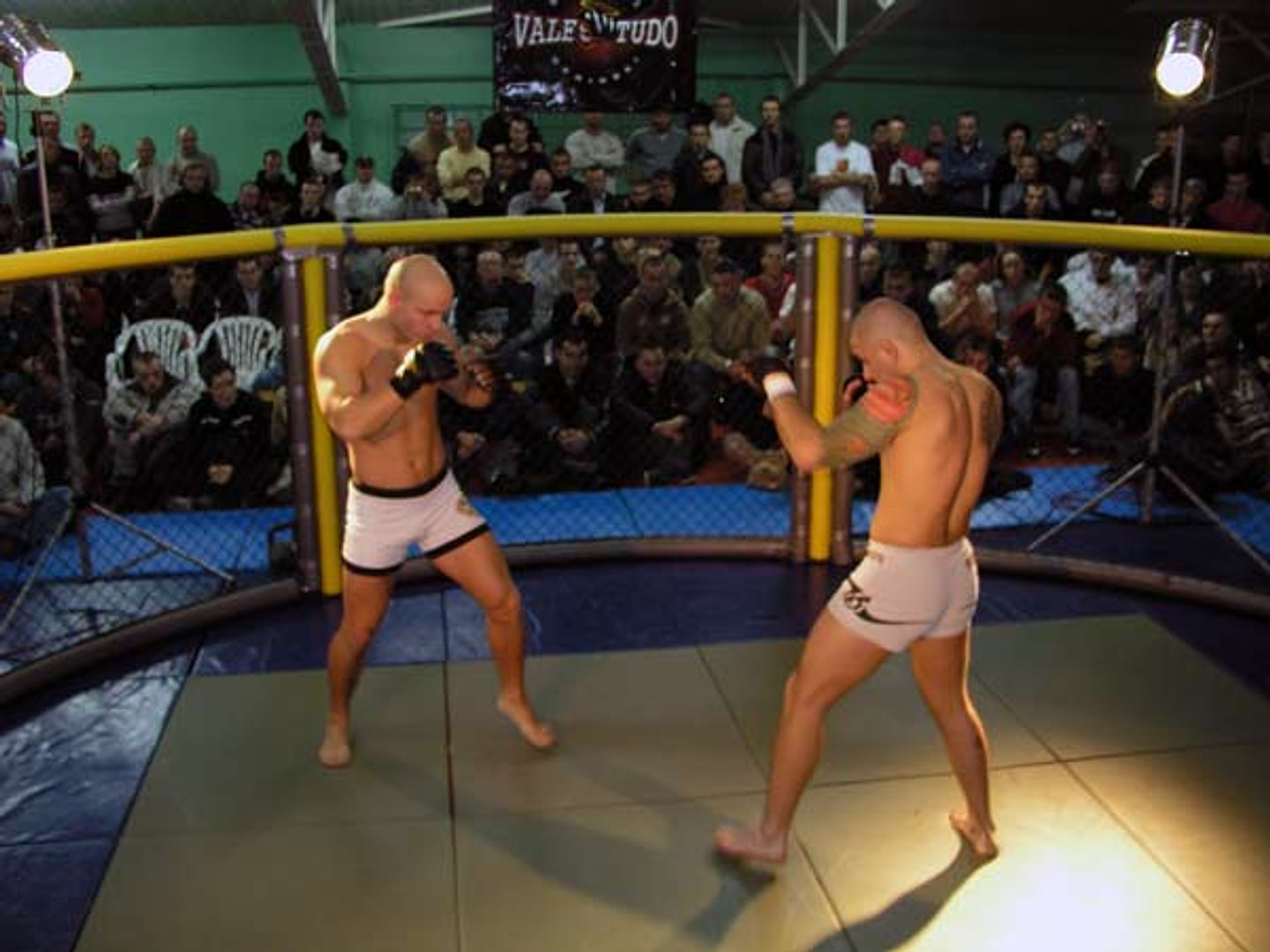
The cage was made by a blacksmith
Today you can order a professional cage. Back then you had to manage differently.
Okniński recalls that the first one was built by a blacksmith outside Warsaw, probably near Konik. Jacek Foltyn, who trained with Mirosław at the time, helped to make it happen.
The idea was simple. We put on fights. We need a cage. It has to be built.
Foltyn was to help with the initial deposit. Later, as Okniński recalls, the rest of the money had to be found on his own. It was not easy. In the end the cage was made.
Thick steel tubing. Hard metal fencing. None of today’s soft finishing.
“It was rough. Fighters could cut themselves on that fence. Only later did I replace it with a soft one.”
The most interesting part is that, according to Mirosław, that structure probably still exists. It is said to be in Grudziądz, in a club connected with one of the former Team Okniński branches. If it can be found and its origin confirmed, it will be one of the most interesting physical traces of the beginning of Polish MMA.
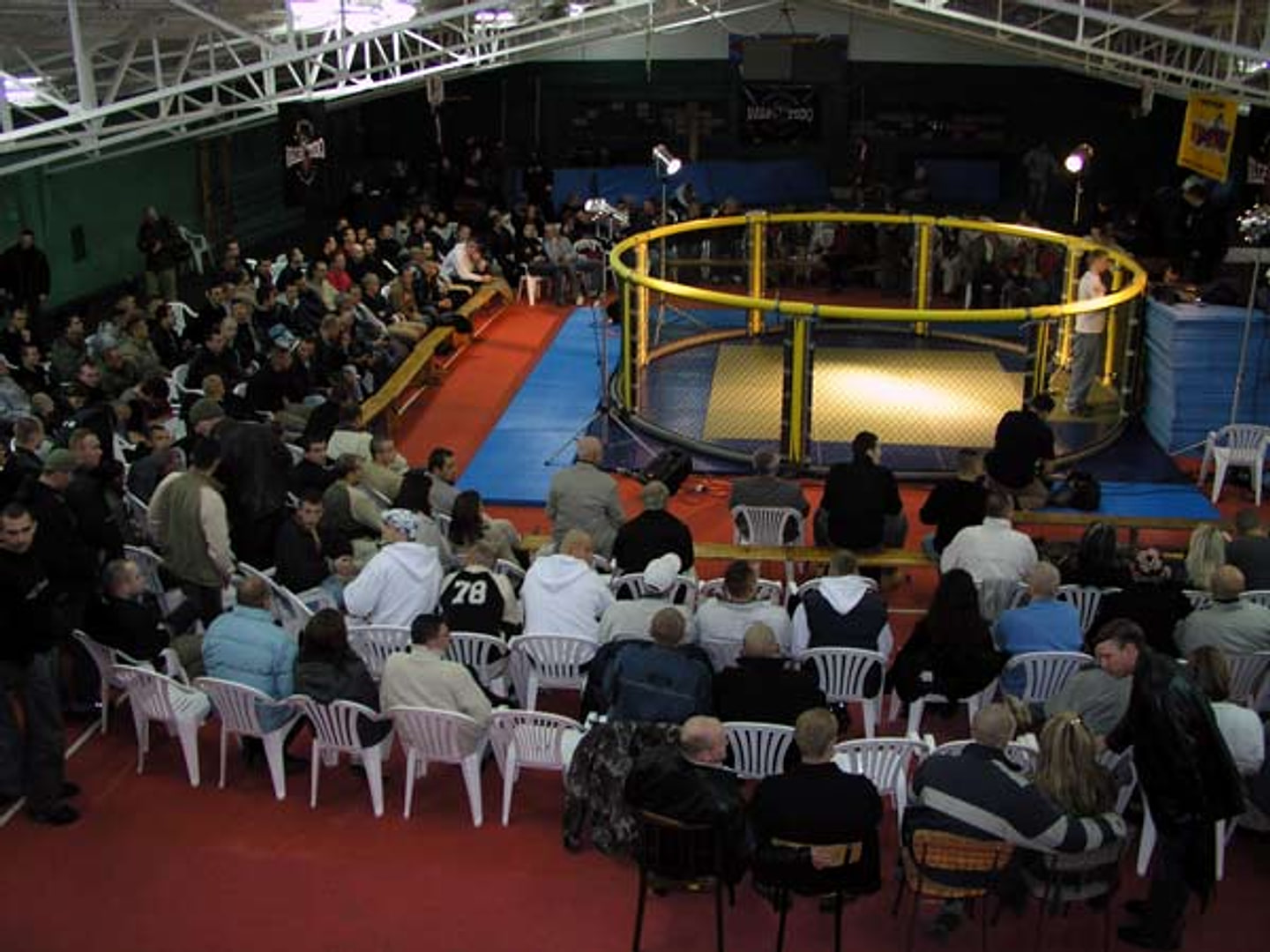
Body Show
The first bout was shown at the Body Show fair in Warsaw. Mirosław got in touch with the organiser through the circle around the magazine „Kulturystyka i Fitness. Sport dla Wszystkich”. The organisers suggested putting on a demonstration of the new discipline as part of the fair.
And they did. No big campaign. No million-złoty budgets. No television.
The fair drew people interested in bodybuilding and sport. They saw the cage, stopped and watched what was going on. Mirosław estimates that around a hundred people watched the fight. There were fighters from his club. There were the people who had come with Jakubowski. There were ordinary visitors to the fair.
There was no sense of a great historic event. That came only later.
Almost everything allowed
The first rules were simple. Very simple.
There was no time limit. There were no conventional rounds. Someone was supposed to win.
What was banned above all were attacks to the eyes, the groin and the spine. At one point in the bout head strikes appeared as well. Okniński stopped that part and decided it was already too much.
The rest stayed very open. It was not about inventing a hundred regulations. It was about finding out which fighter would be more effective.
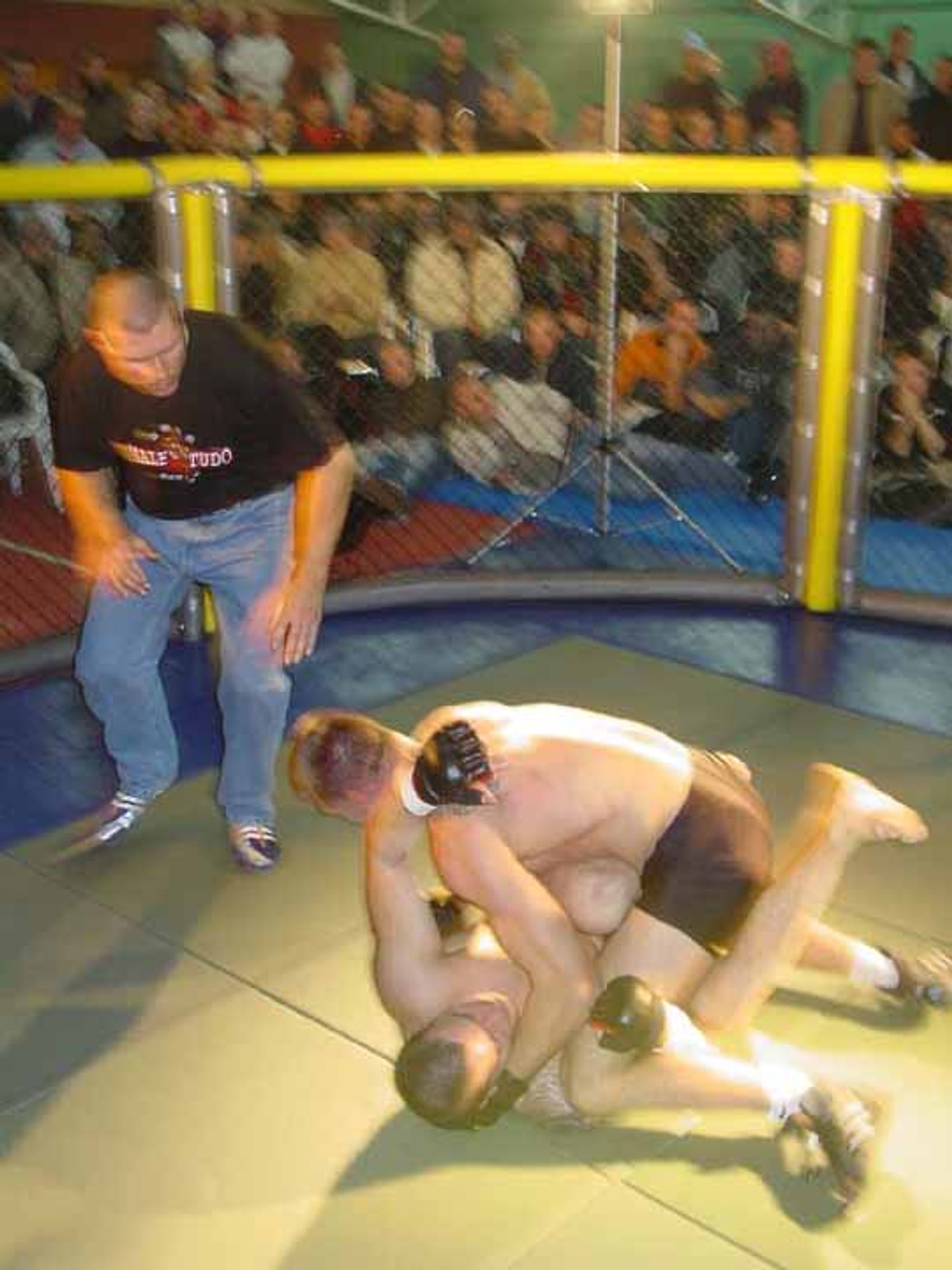
45 minutes and a thousand złoty
The prize was a thousand złoty. There was one condition. You had to win.
The problem was that after a very long fight neither man wanted to submit. Both were already completely spent. Okniński recalls:
“I ask one of them: do you submit? No. I ask the other: do you submit? No. And you could see they had nothing left.”
In the end he made the call himself. A draw.
The thousand złoty was split in half. Five hundred each. Jakubowski was not pleased. According to Mirosław he said that the winner was supposed to get the whole thousand.
Except there was no winner.
One fight was not enough
After the first bout Mirosław had no doubts. It could not end with a single fight.
“The fight went well. I told myself: we have to keep going. We are making a sport. We are building a sport from scratch. You cannot build a sport on one fight, so we have to run a tournament.”
That is how the idea of MMA Polska was born. The name was not the result of months of work by a marketing agency.
“MMA, because we were doing MMA. Polska, because this was Poland. Simple.”
That is exactly what the beginnings were like.
Legia and Gwardia
The first tournaments were held in places connected with Warsaw sport. Okniński trained at the time at the Legia grounds near Fort Bema and at Gwardia on Racławicka. The first MMA events took place there as well.
The organisation rested above all on people from the section. There was no professional event company. There was no large permanent team.
“If someone could, they helped. If someone left, somebody else came along. I relied on the people from my section.”
Mirosław himself was responsible for the whole thing.
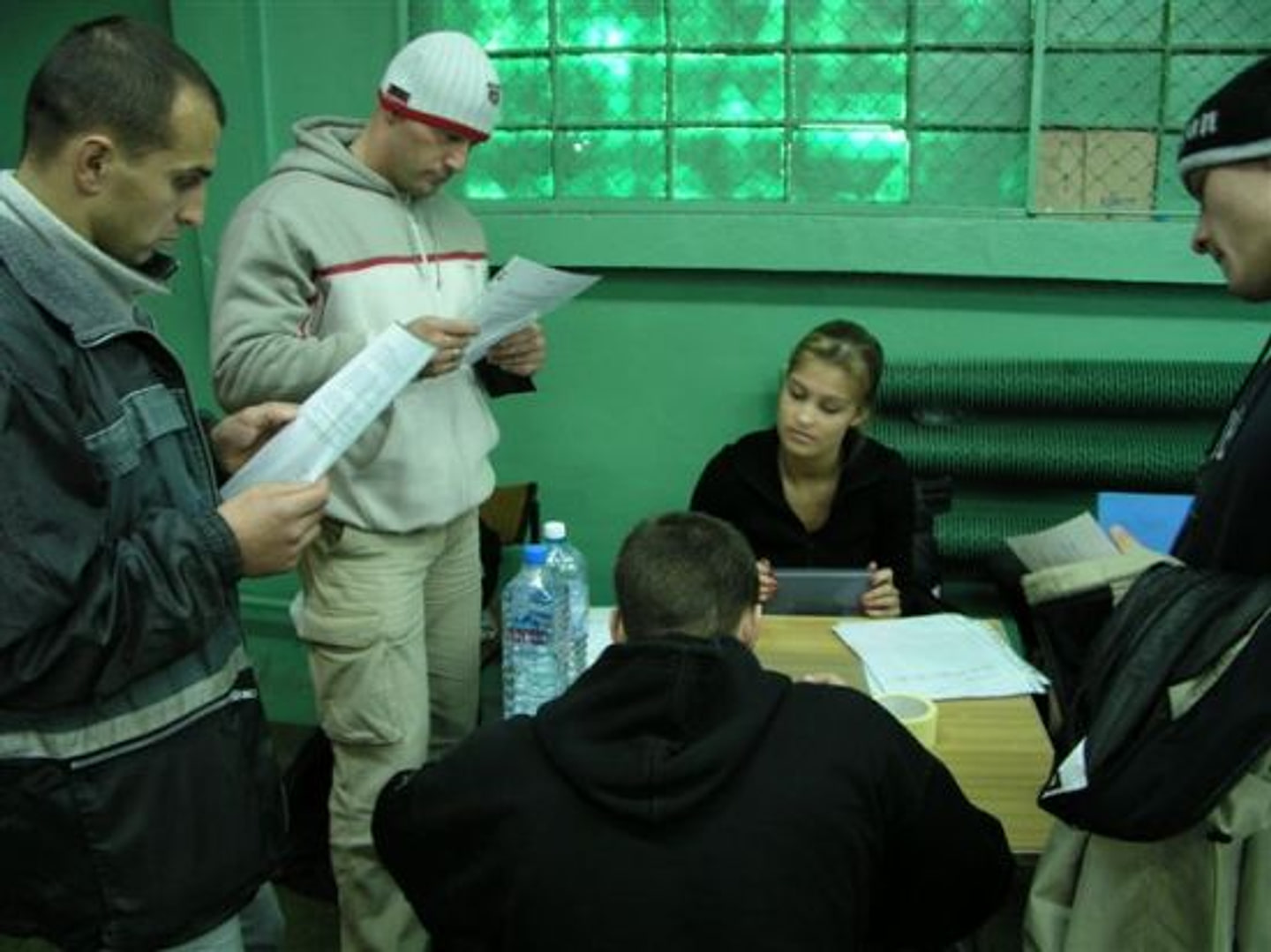
The fighters had to be found
Today an event promoter has hundreds of active MMA fighters. Back then there were practically none. They had to be looked for in other sports.
BJJ. Judo. Wrestling. Kickboxing. Boxing.
Notices appeared, among other places, in „Kulturystyka i Fitness. Sport dla Wszystkich”, which also ran reports from the first fights. People read the magazine. They found out that somewhere in Warsaw there were fights that had practically not existed before. And they came to try.
Chmielewski and Trędowski
Among the first fighters, Antoni Chmielewski and Grzegorz Trędowski made a particular impression on Okniński. Both came from judo. Both ended up in the MMA scene.
What happened to them afterwards also says a lot about the realities of those years. Mirosław recalls that one of them built his working life around the police, and the other ended up in a criminal environment.
For Okniński this is an important part of the history not only of MMA but of Polish sport at the turn of the 1990s and 2000s. After the political changes, many athletes who had previously operated inside state-run clubs, with stable employment to count on, were left with practically no support. Some found a place in the police. Others ended up in far worse company.
“Those were bad times for athletes. A lot of very good competitors were left to themselves.”
About Antoni Chmielewski, Okniński is brief:
“An outstanding athlete.”
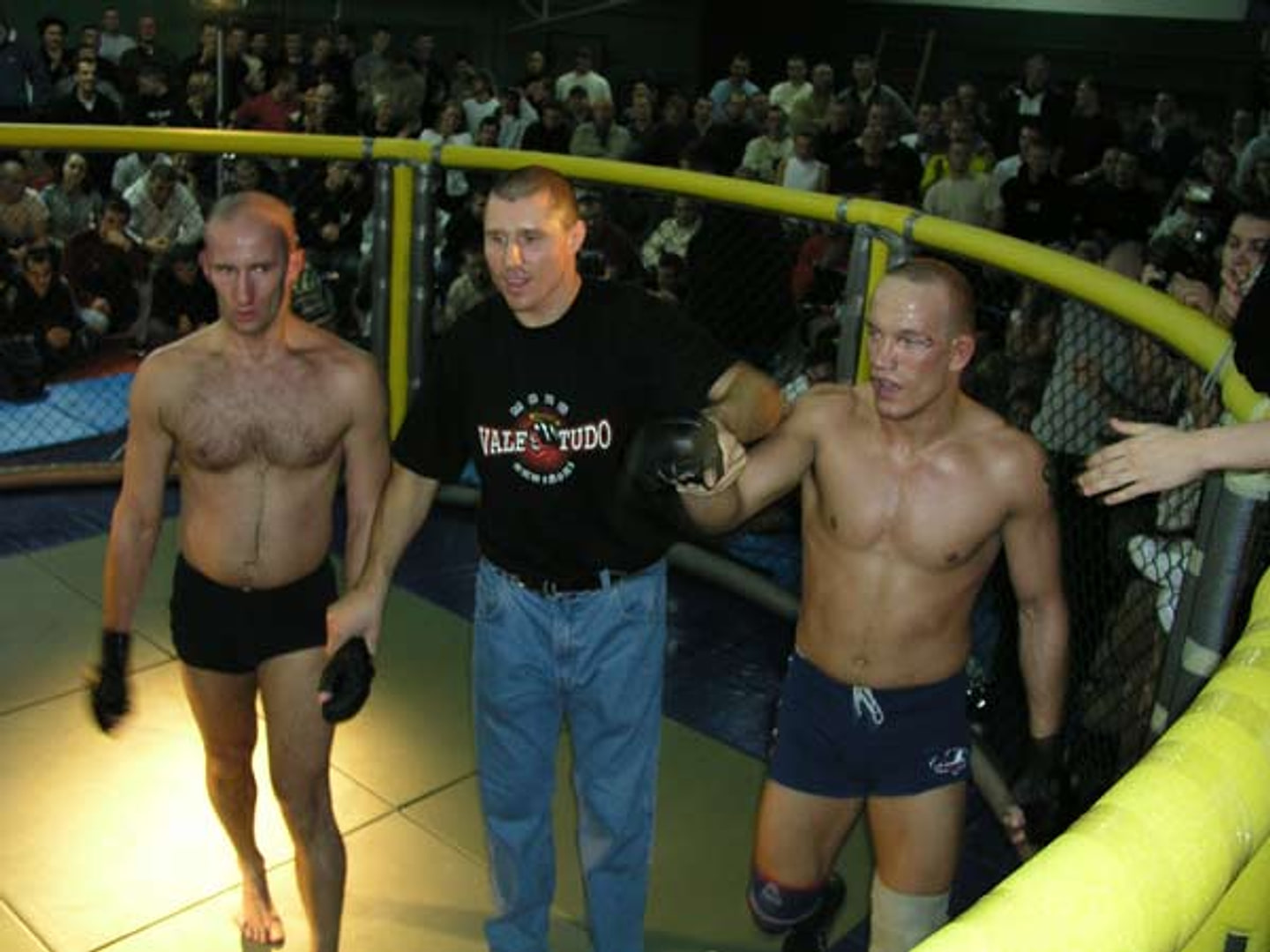
Maciej Kawulski as a fighter
Today Maciej Kawulski is known above all as one of the founders of KSW. Earlier he trained and competed himself.
As Mirosław recalls, he turned up in the section a few months after it started, at roughly the same time as Łukasz “Juras” Jurkowski. Kawulski had a background in karate. He also trained jiu-jitsu. Okniński remembers him as a fighter with decent ground work, wrestling and kicks. His biggest weakness was said to be boxing.
“If he had not gone into promoting events, he could have been a really decent fighter.”
Kawulski also competed in the tournaments Okniński organised. Mirosław remembers, among others, his win over Łukasz Leś. We will come back to that fight separately.
Building a team of coaches
Mirosław did not try to pretend he knew everything himself. As he developed Vale Tudo MMA Warszawa, he brought in people from different disciplines. Kickboxing. Wrestling. Jiu-jitsu. Judo.
He was building a group of coaches who together were meant to produce a complete fighter. He mentions, among others, the coaches Złotkowski, Kostecki and Stanisławski. Later he also began working with Paweł Nastula as the Olympic champion prepared for MMA.
That approach later became characteristic of Team Okniński. It was not about proving that one style is best. You had to take from every sport whatever works.
The first tournaments were not a big business
Around 300 spectators turned up at the first events. There was a ticket desk. Mirosław’s wife helped at it. A ticket cost, as he remembers it, around 50 złoty.
The takings covered above all the hall, the basic organisation and small payments for the fighters. At the start some competed practically for the chance to fight. Later there were fees of around 500 złoty.
This was not money you could turn into a professional fighting career. It was about building the sport and gaining experience.
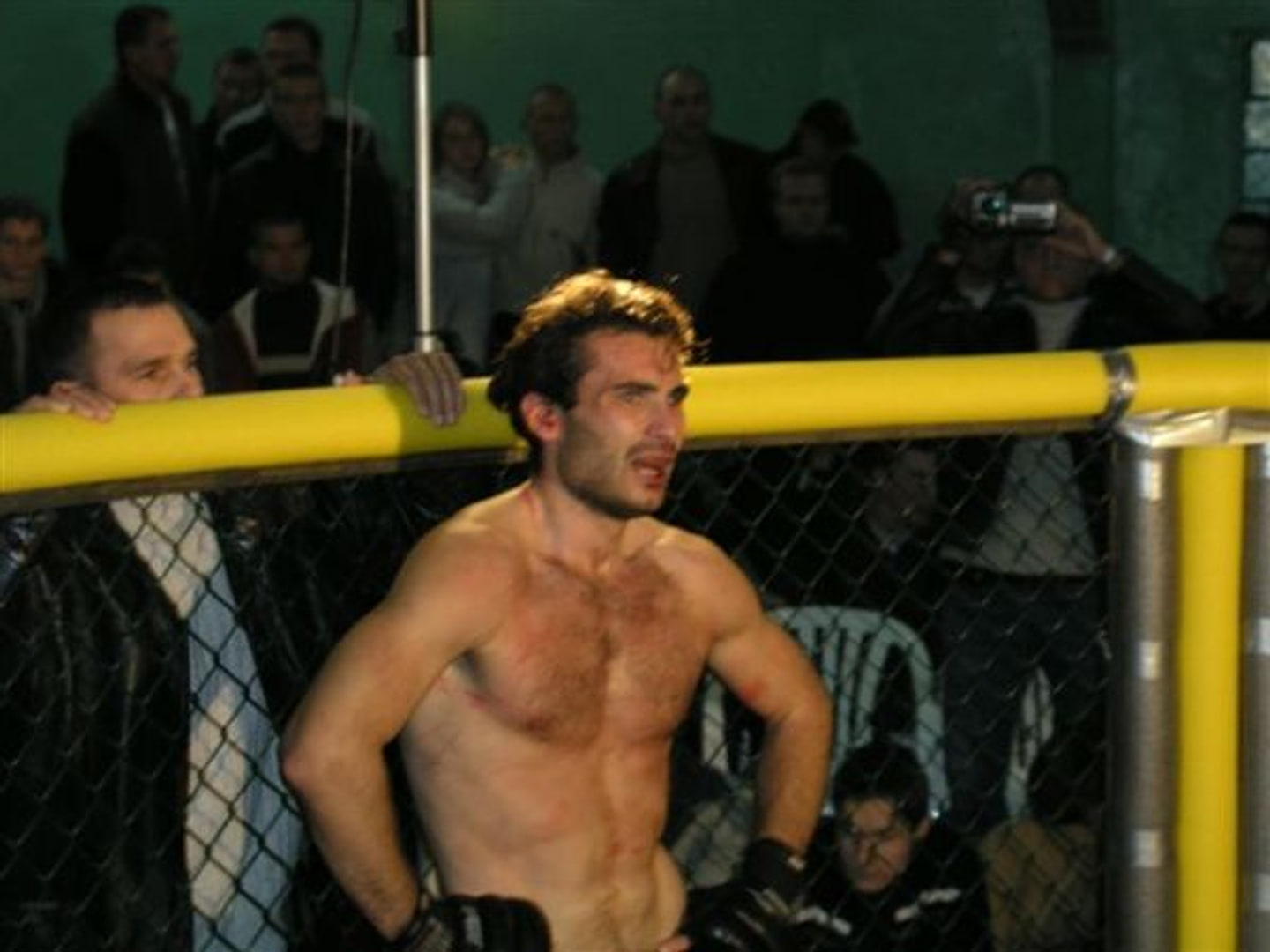
Safety from the start
The fights were rough. The rules were far more open than today. But Okniński stresses one thing. He did not treat medical cover lightly.
There was a doctor at the events. There was an ambulance.
“I was afraid that if something happened, I would not get out of prison. That is why I covered myself very well.”
Fortunately nothing happened during those first MMA tournaments that would have forced the organiser into a sudden change of format. Over time, though, the rules were put in order.
Real MMA rules begin
After the experience of that first 45-minute fight it was clear the tournament had to work differently.
Time limits appeared. As Mirosław recalls, bouts were held over two rounds of five minutes, with the option of an extra round. Weight classes were introduced as well. At the start they were probably modelled in part on the divisions known from boxing. The most dangerous techniques stayed banned, among them attacks to the eyes and other particularly vulnerable places.
MMA was starting to stop being a one-off experiment. A sport was taking shape.
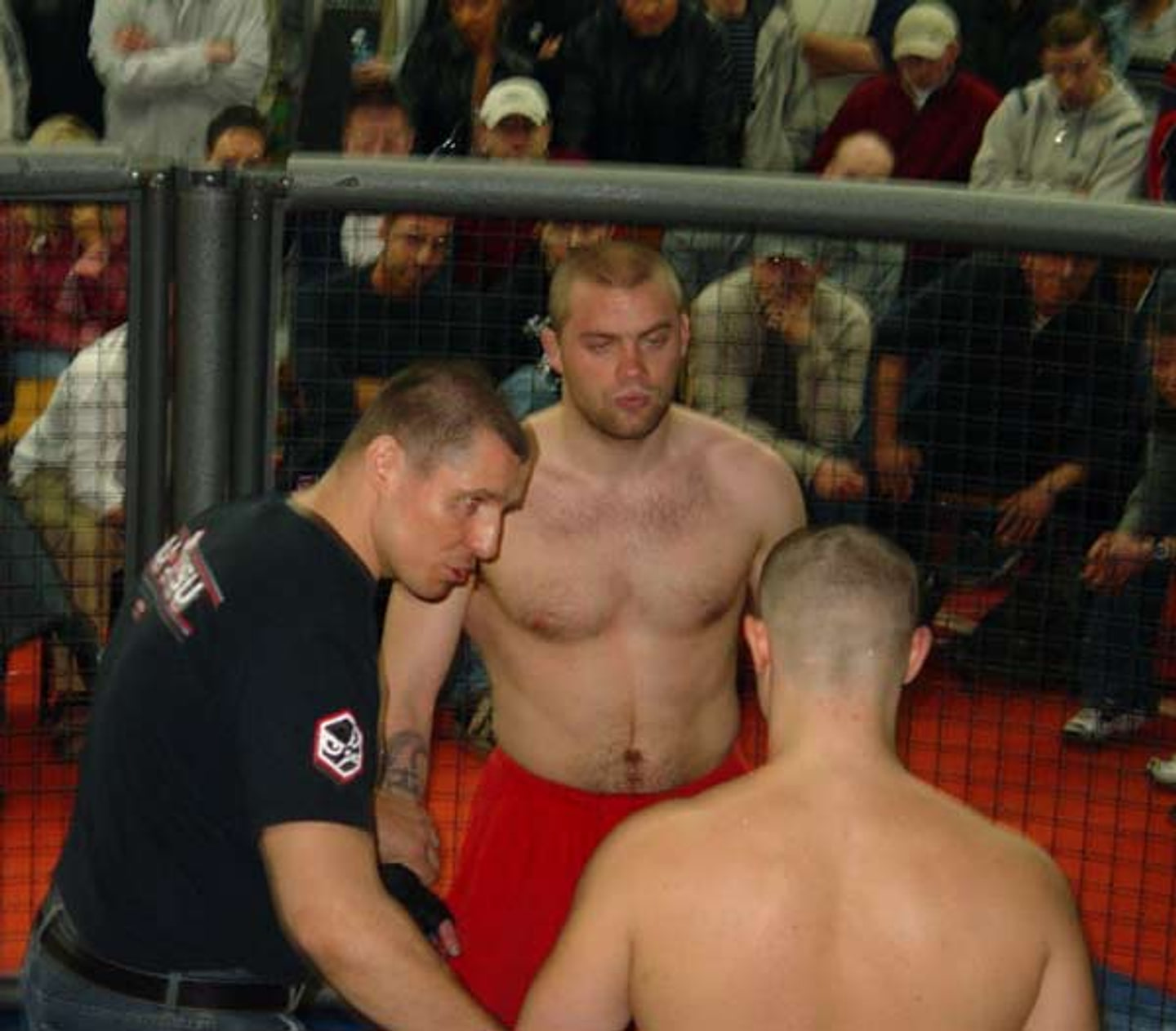
The referee? Okniński
Mirosław refereed the first cage fights himself. He picked the side judges mainly from people in his own circle and from students who knew the rules and understood fighting.
There was no developed refereeing structure in Polish MMA yet. It still had to be created. Like everything else.
From nothing
The first cage did not come from a sponsor. A blacksmith made it.
The first fighters did not come from MMA clubs, because there were hardly any MMA clubs. They came from judo, wrestling, BJJ, boxing and kickboxing.
The first events did not have big budgets. Fighters sometimes competed practically for the chance to take part.
There was no ready-made system. Rules had to be created, fighters found, a hall booked, medical cover arranged, referees appointed and an audience brought in.
That is exactly why the history of Polish MMA does not begin in big arenas. It begins with people who decided to do something that had practically not existed here before.
As Mirosław Okniński puts it:
“After the first fight I knew we had to keep going. You do not build a sport with one fight.”
And they kept going.
Read on
We have described the first cage fight separately: who took part, what the rules were and why it ended without a winner. There is archive footage there as well.
Want to start training MMA or BJJ?
Start in the beginner group at Akademia Sportów Walki Wilanów. You do not need any experience to step onto the mat. What you need is regularity and a willingness to learn.
Check the class schedule